 EN
EN
 AR
AR NL
NL FR
FR DE
DE EL
EL HI
HI IT
IT JA
JA KO
KO PT
PT RU
RU ES
ES TL
TL ID
ID SR
SR UK
UK VI
VI HU
HU TH
TH TR
TR FA
FA SW
SW UR
UR TA
TA KK
KK
In a lot of hospitals, things run smoothly until they have a little bit of a delay, and that is a huge issue. Whether it be a blood sample that is sent to the lab, a medicine that must be delivered to the ICU or a biopsy that is carried between departments, speed and accuracy of delivery are required. These are already transported rapidly by Pneumatisch buizensysteem within a building but rapid transport is not enough. Staff should also be aware of the location of every item at a particular time. Real-time tracking provides that visibility. It indicates the transmission, location within the system and receiving time of the object. It decreases confusion, shortens wait times and makes patient care more efficient without any guesswork.
How Real-Time Tracking Works in Pneumatic Tube Systems?
Tracking in a pneumatic tube system can be achieved in real time using a combination of sensors, software and different identification on each carrier. All Laboratorium automatisering items placed inside a carrier are assigned a code that is either a barcode or an RF tag before it is sent. These tags are read by points in the tubes as the carrier passes. These are typically located at important locations such as sending docks, junctions, and receiving points.The system is instantly updated with each scan. The real-time status information is then visible in a staff dashboard, for example, in transit or arrived at mid-station or delivered. This eliminates the need to make guesses as to the location of a sample or document.A nurse takes a blood sample from the ER in a busy hospital lab, for example. The lab personnel are immediately able to observe that the sample has progressed to the halfway point in the system. Should there be a blockage or delay, the system alerts you immediately, allowing technicians to respond quickly.It also records the time of each movement on the tracking software. This is useful for hospitals to reflect on delays and optimise workflow later on. Depending on the configuration, alerts to phones or workstations can be activated when a delivery is too slow or for the wrong station.In brief, real-time tracking becomes a medium of information flowing freely, trusted by employees and acted upon.
Benefits of Pneumatic Tube System Tracking for Hospital Staff
Real time visibility of staff on where all items are in the hospital makes their work easy and less stressful. A pneumatic tube system with tracking eliminates a significant amount of the back-and-forth phone calls and trial and error that typically bogs things down day-to-day.The greatest advantage is that there are fewer interruptions. Nurses and lab personnel do not have to stop what they're doing only to ask: Has the sample come in yet? They can check the system screen and get an instant update. This will save time, particularly during rush hour when time is of the essence.It also assists in decreasing errors. Many samples and documents are moving concurrently in a busy hospital. If no-one is tracking the items then they may get mixed up or delayed without anyone realising at once. Each carrier has a definite route and status with real-time tracking. When something gets out of the way, employees can detect it in time to rectify it before it impacts patients.Another advantage is quicker response time in emergency cases. For instance, when an emergency blood sample is sent from the ER, the lab can begin preparing ahead of time as they know that it is coming. It is not necessary for them to wait until it has physically made it to them before they begin planning the test.Tracking also helps in better cooperation between different departments. Having the same information for all takes away confusion in who should do what, or in what order. A lab technician, nurse, and pharmacist can all work on an order knowing exactly where they stand with it. They don't need to keep calling and texting.The system also enables the compilation of beneficial historical data. Hospitals can track deliveries and detect certain patterns like long wait times between certain hours. With this kind of information managers will be able to change staff numbers and deal with traffic jam bottlenecks.All of these seemingly small changes can really make a great impact on the day to day flow in the hospital. It streamlines the whole process into one simple and ordered operation where the patients are cared for efficiently and doctors and staff feel more secure in the paths they take.
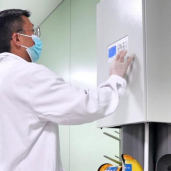
Improving Accountability with Pneumatic Tube System Monitoring
In a hospital, it isn't enough to hold people accountable for what they did. It's about delivering every sample, document or medication to the right person at the right time. For all involved, this becomes more apparent with the help of monitoring of the pneumatic tube system.If you have tracking, then each movement will be recorded. If a carrier is sent, the system registers the sender, the time it was sent and the destination. That moment is also captured when it comes. This results in an easy trail for staff to follow, not having to search through manual logs or asking around to follow the trail.This kind of visibility is useful when delays occur, as it helps to minimize confusion. Staff can easily spot where a blood sample has been delayed if it does arrive late. Perhaps it remained in a junction too long or it was dispatched at a time of high usage on the system. Teams can avoid wild guesses and know what actually happened, just by examining real data.This improves interdepartmental communication too. In my experience the ER and lab are often reliant on the timing of each other. Having both parties see the same tracking updates allows for more shared accountability, and a reduction of blame and/or misunderstandings. Both are using the same time line and are on the same page, communications are easier.This monitoring also helps avoid poor handling. When staff realize every action is logged, they tend to handle samples more responsibly. This includes sealing carrier bags properly, verifying destination codes before sending etc. Errors are more readily minimized; error can impact the healthcare of patients.Some managers of hospitals review the reports at end of day, or end of week. This provides the hospital with an overview of trends such as re-routed shipments or delays. This allows the hospital to alter workflows if needed, or provides information that the hospital can use to train staff.This type of system tends to breed accountability over time; hospitals use data, not just memory and word-of-mouth, to maintain their organization.
Using Pneumatic Tube System Data for Operational Optimization
The pneumatic tube system is more than just a means of conveying objects from one location to another. Their information can contribute to running the hospital more smoothly on a daily basis. Every send, arrival, delay and route choice is useful information that demonstrates the true operation of the system.The hospital can first of all use this information for the basic application of finding busy hours. The system might show that from 8:00 am to 11:00 am that there is a great deal of traffic, management can then decide to switch their schedule, or ensure that enough help will be around during that time and the system will no longer balance out the load when the number of tasks increases.You can also find bottlenecks. The system could show that there is a slow-down at one station or junction that could be because the station/junction has too much activity or that the station is out of order. Actions can then be taken instead of receiving complaints based on information. A busy city hospital could find that the lab station is backed up while the lab personnel are getting a new person, they could have a second receiving place at that station.One more important aspect of routes is their efficiency. There may be more than one way to get from one place to another on some systems. The travel time can also be used to determine the faster and more reliable routes so that hospitals can see which routes they can use for faster travel time. They may be programmed to select the more successful routes over time.Operational data also contributes to improved planning. If a new department is added to a hospital or a new wing in an existing department, previously collected transport data can be used to estimate the required tube capacity. This prevents overload problems in the expanded system.This can also be used to enhance staff training. For delays that are frequently associated with sending steps that are not performed correctly, managers can provide brief refreshers to correct the problem. It's more simple to direct staff by using actual examples rather than vague directions.This type of information can transform the system into more than a means of transportation when used in everyday operations. It transforms into an easy-to-follow guideline that aids hospitals to cut waste, save time, and maintain continuous and predictable work flow.
Esseniot, opgericht in 2013 en met het hoofdkantoor in Suzhou, China, is een wereldwijde leverancier van geautomatiseerde en geïntegreerde intralogistieke oplossingen.